
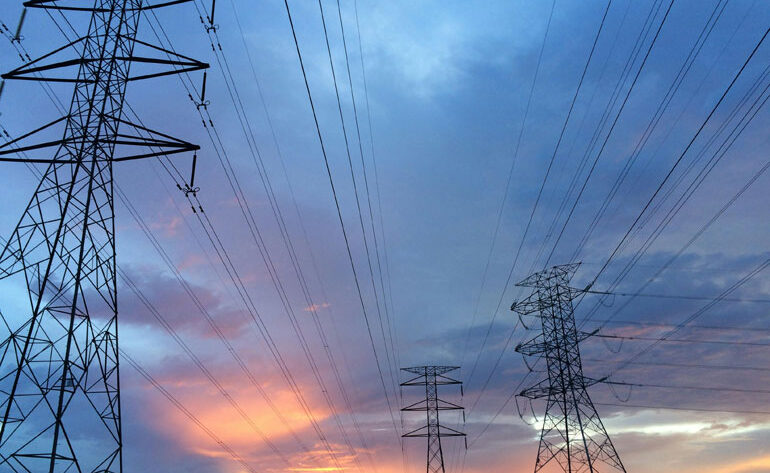
Public utility companies play an essential role in our everyday lives, providing the fundamental services that keep our communities running smoothly. From water and electricity to natural gas and telecommunications, these companies ensure that essential resources are readily available to homes, businesses, and public spaces. In this guide, we’ll explore what public utility companies are, how they function, and why they matter.
This is a collaborative post.
What Are Public Utility Companies?
Public utility companies are organisations, either private or government-operated, that provide critical services to the public. These services include:
- Electricity: Power generation and distribution to homes and businesses.
- Water and Sewage: Providing clean water and managing wastewater systems.
- Natural Gas: Fuel for heating, cooking, and other energy needs.
- Telecommunications: Internet, cable, and phone services.
What sets public utilities apart is their obligation to serve all customers in their area of operation, often under regulated conditions to ensure fair pricing and consistent service.
Types of Public Utilities
Public utility companies can vary based on ownership and the nature of their services. Here are the main types:
- Government-Owned Utilities
These are operated by local, state, or national governments. They typically focus on providing essential services at low costs rather than making a profit.
- Investor-Owned Utilities (IOUs)
Privately owned and operated for profit, IOUs are regulated to ensure they maintain fair pricing and service reliability.
- Cooperatives
These are member-owned utilities, often found in rural areas. Members have a say in the management and share in the profits.
- Municipal Utilities
Owned and operated by local governments, these utility services serve specific cities or towns and prioritise community needs.
How Are Public Utility Companies Regulated?
To protect consumers, public utility companies operate under strict regulations. Government agencies, such as public utility commissions (PUCs) in the U.S. or Ofgem and Ofwat in the U.K., oversee these companies. Regulations ensure that:
- Rates are fair and affordable.
- Services are reliable and consistent.
- Companies invest in infrastructure and sustainability.
These agencies also address disputes between utilities and customers, ensuring accountability and transparency.
Why Are Public Utility Companies Important?
Public utility companies are the backbone of modern society. Their importance lies in:
- Ensuring Accessibility
Utilities provide vital resources that everyone needs to live comfortably and safely.
- Driving Economic Growth
Reliable utility services attract businesses, support industrial operations, inspire innovative solutions like Industrial Vision Systems whilst also contributing to economic development.
- Promoting Public Health
Access to clean water and reliable energy is essential for public health and safety.
- Supporting Sustainability
Many utility companies are now leading efforts in renewable energy and resource conservation to combat climate change.

Challenges Facing Public Utility Companies
Despite their importance, public utility companies face several challenges:
- Aging Infrastructure: Many systems require costly updates to meet modern demands.
- Climate Change: Extreme weather events test the resilience of utility systems.
- Cybersecurity Threats: As utilities embrace digital technology, they become vulnerable to cyberattacks.
Public utility companies are essential for maintaining the quality of life and economic stability we often take for granted. Understanding their role, structure, and challenges helps us appreciate the infrastructure supporting our daily lives.
Whether through government initiatives or private investments, the future of public utilities lies in innovation and sustainability. By addressing challenges and embracing renewable technologies, these companies can continue to provide vital services for generations to come.