Highlights are a great way to play with colour in your hair and they can add a really dramatic dimension to your look. If you’ve ever had highlights, you’ll know that sometimes you might want to change your look up again. Whether that’s because you are longing for the simplicity of your natural hair colour, or to reduce the ongoing maintenance (hello hairdressers every few weeks), restore the integrity of your hair, or reconnect with your original shade, the journey back to natural roots is actually quite simple. There are a few ways to change your hair back to its natural shade, so let’s talk you through how to go back to natural hair colour after highlights whilst protecting your hair from unnecessary damage.
This is a collaborative post.
How To Go Back To Natural Hair Colour After Highlights
Why Going Back Takes Time
Returning to your natural hair colour isn’t as simple as covering up highlights. You’ll find your hair’s condition, colour history, and natural pigment will all play a role in the process. There are a few reasons why it will take time to return back to your natural colour.
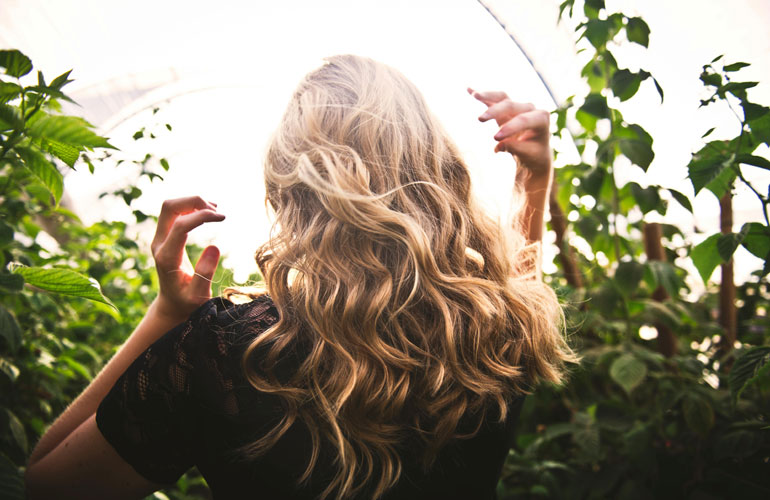
Highlighted Hair vs. Natural Hair: Did you know that highlights strip pigment from your hair, leaving strands lighter and more porous than your natural shade?
Colour Matching: It’s really tricky to achieve a seamless blend with your natural roots and this often requires adding darker tones or neutralising unwanted hues like orange tones.
Hair Growth: It can be slow going as on average, hair grows about half an inch per month. So if you are growing out longer hair which has been highlighted, it might take a year or more.
I’d start by assessing your hair type, natural shade, and the current colour of your hair. Understanding your hair will help you determine which steps are most appropriate when considering how to go back to natural hair colour after highlights.
Identify Your Natural Shade and Pigment
Do you know what your natural hair colour looks like? If you’ve been dyeing or highlighting your hair for a long time, this actually might be a hard question.
Your natural hue is actually determined by the distribution of eumelanin (dark pigment) and pheomelanin (lighter pigment) in your hair. If you aren’t sure, speak to a professional stylist, as they can help you pinpoint your natural colour by examining your roots or using hair swatches.
Knowing your natural pigment is really important otherwise you might end up with dramatic mismatches between your roots and mid-lengths.
You’ll also want to blend in colours that complement your skin tone. That will allow you to achieve a harmonious transition without compromising your natural look.
Consult a Stylist
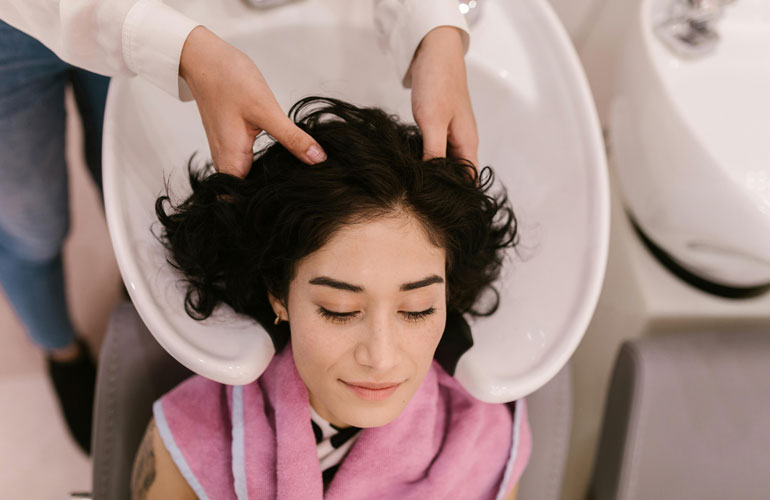
You may save a few pounds going down the DIY route, especially with the abundance of TikTok how-tos and home hair dye box dye options, but it’s best when you are looking at how to go back to natural hair colour after highlights to consult with a professional stylist. They can help you with how to minimise potential damage and ensure a natural-looking transition.
A hair colourist can:
Blend Your Colors: You’ll find that a colourist will strategically blend highlights with your natural roots using techniques like lowlights, subtle highlights, or demi-permanent colour.
Address Uneven Tones: Hairdressers are trained in colour correction and can neutralize orange tones or other unwanted hues caused by fading highlights. Don’t take the risk and end up with a horror show hair colour.
Tailor to Your Hair Type: Every hair type reacts differently to colour treatments. For example, curly hair might require slightly gentler techniques to help maintain your texture, while porous hair needs extra care to avoid over-processing during the dyeing process. They’ll be able to advise on this.
A professional stylist can also help you devise a step-by-step plan based on how you want to go about your transition. They’ll know what to do and what to avoid whilst you go back to your natural colour.
If you are enjoying this post, why not take a look at my post all about nautical nails designs. It might inspire your next trip to the nail salon or a go at home.
Gradual Transition Techniques
For most people, the best approach to going back to their natural hair colour involves gradual blending. So I’ve pulled together some popular techniques:
Adding Lowlights
You can go down the route of adding lowlights to your hair. If you aren’t familiar, lowlights involve applying darker tones to mimic the natural depth of your hair. This technique works particularly well for people who are transitioning from blonde hair to darker roots or from light brown highlights to a darker colour.
You’ll find by incorporating subtle highlights and lowlights, your stylist can soften the contrast between your roots and highlighted strands.
Using Semi-Permanent Dyes
Another popular way to manage the transition period and a popular one too. Semi-permanent hair colour is a smart option for those hesitant about committing to a darker shade.
Unlike permanent hair dye, semi-permanent dyes gradually fade with each wash, giving you the flexibility to adjust your colour as your natural roots grow in.
Hair Gloss and Toners
A hair gloss or toner can neutralise brassy or orange tones in highlighted hair, creating a more natural hue that complements your roots. These sorts of treatments are easy to apply when you are having a regular appointment at the hairdresser.
These treatments also add shine and vibrancy, making your hair look healthier and more polished during the transition.
Opting for a Shorter Style
If you’re looking for a faster way to ditch your highlights, you could consider a fresh cut. A chin-length bob or shoulder-length style could remove a lot of the highlighted ends of your hair, this will allow your natural hair colour to be the predominant colour on your head.
Shorter styles often require less maintenance and look really chic. You’ll just need a good hair dryer like this one from mdlondon to help you keep your bob looking sleek and show off your new colour.
Regular Trims
If you are keen to keep the length of your hair, you could simply have regular trims every couple of months instead. This will gradually eliminate highlighted sections. This slow but steady approach is perfect for those wanting to maintain length while returning to their natural roots.
At-Home Maintenance
Maintaining the health of your hair is really important. Hair that has been highlighted again and again is often more prone to dryness, breakage, and colour fading, so adopting a nourishing hair care routine will ensure damage to your hair is managed to give you beautiful locks.
Use Colour-Safe Products
Did you know that shampoos and conditioners designed for colour-treated hair will help preserve your current colour while supporting the natural pigment of your roots?
Silver shampoos are really good for toning down unwanted warm tones in lighter shades.
Deep Conditioning Treatments
I love a deep conditioner and they are so good for coloured hair. Highlighted and porous hair tends to be drier, so regular deep conditioning is a must. Hair masks containing hydrating ingredients like argan oil, keratin, or shea butter can strengthen your strands and enhance their natural shine. Pop the deep conditioner on after washing, wrap your hair up for a couple of hours and go about your day. Wash it out and you’ll have super soft and conditioned hair.
Avoid Overwashing
Did you know that washing your hair too frequently strips it of natural oils and speeds up color fading? I’d suggest you wash your hair two to three times a week and use dry shampoo between washes if needed.
Protect Your Hair from Heat
It’s a good idea to limit the use of hot tools like curling irons and flat irons. When heat styling is necessary, you should always use the lowest heat possible and apply a heat protectant to shield your hair from damage.
When to Consider Colour Removal
If you’re eager to speed up the process, you could go down the route of colour remover. This option should always handled by a professional stylist to avoid serious damage to your hair.
It’s not a decision to take lightly as colour removal can help eliminate artificial pigments, but it often requires follow-up treatments like toning or deep conditioning to restore the integrity of your hair.
Matching Hair Colour to Your Skin Tone
Choosing colours that complement your skin tone is to avoid a mismatch and look washed out. Whilst we are talking about colours, you might find my post on colour personality traits interesting.
Cool Skin Tones: I’d suggest going for ashy or neutral shades like dark brown or light brown.
Warm Skin Tones: You’ll suit golden or warm tones like honey blonde or chocolate brown.
Neutral Skin Tones: Lucky you! Most shades, from natural blonde to darker tones, will suit you. You can pick which shades you like.
Speak to your hairdresser to help you choose which shades will enhance your features and help you achieve a harmonious overall look.
Tips for Specific Hair Colours and Types
Blonde to Dark Hair
If you are looking at transitioning from blonde to a darker shade, you might want to fill in the lost pigment with lowlights or semi-permanent colours. You could choose lovely warm tones like caramel or honey. These will help you create a soft contrast and make the process more seamless.
Dark Hair with Highlights
If your natural colour is a darker hue, you could go down the route of blending in highlights with darker roots. I’d also suggest looking at lowlights or semi-permanent dyes, as these can really help tone down the highlights while maintaining dimension.
Grey Hair
Are you embracing your natural grey? You could try blending grey strands with highlights or toners. This will do wonders when you are growing out dyed hair gracefully.
Curly Hair
If, like me, you have curly hair, you’ll be well aware that curly hair requires extra hydration and never more so than during this process. Curly-haired people should use products specifically designed for curly, colour-treated hair to keep their lovely curls defined and healthy.
Embracing the Journey
Transitioning back to your natural hair color can feel like a long process but if it’s where you want to get to, it’s worth the effort. You can consider some of the following tips.
Document Your Progress: It would be fun to capture photos or videos of your hair growth journey. Share your hair progress on social media. Platforms like TikTok make this fun and engaging.
Experiment with Styling: As you are going through the process, why not play with braids, waves, or updos to disguise uneven transitions?
Focus on Hair Health: Do your research and treat yourself to some new products. It’s a good idea to invest in your hair’s overall health with nourishing treatments and regular trims.
Patience is Key
Remember, the only way to fully return to your natural hair is to let it grow out. I know that’s hard to hear, but while the process may feel slow, the end result—a head of healthy, natural-looking hair—is well worth the wait. Whether you’re blending dark roots, dealing with highlights, or growing out silver strands, patience is your greatest ally and you’ll be rewarded with the end result that you’ve been working towards.
Read more posts in the Beauty & Fashion category