

Extracurricular activities are a vital part of the educational experience, providing opportunities for students to grow, learn, and discover their unique talents outside of the traditional classroom. Whether it’s joining a sports team at this independent school in Herts, participating in the arts, or engaging in academic clubs, extracurricular activities offer numerous benefits that support students’ academic, social, and personal development. Here’s an in-depth look at why these activities are essential and how they contribute to building well-rounded, confident individuals.
This is a collaborative post.
Enhances Academic Performance
Many studies have shown a strong link between participation in extracurricular activities and improved academic performance. Students who engage in activities like debate club, science Olympiads, or chess often see a boost in critical thinking, time management, and problem-solving skills. These skills translate into the classroom, leading to better focus, greater confidence, and higher achievement across academic subjects.
Builds Social Skills and Friendships
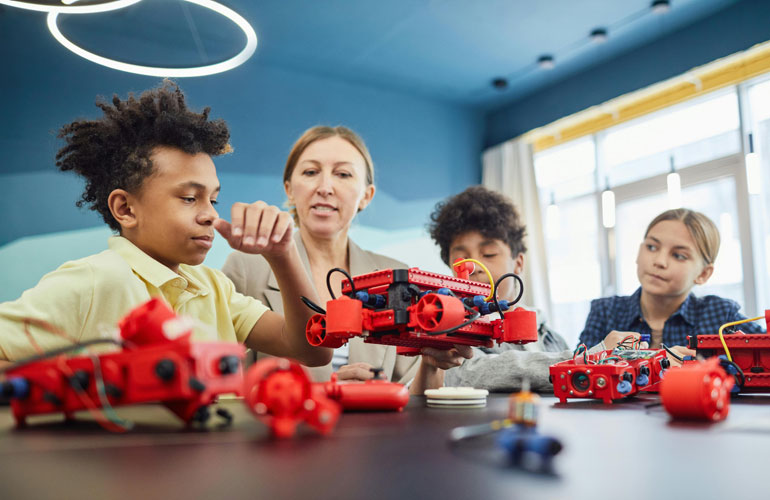
Extracurricular activities provide a platform for students to socialise outside their regular peer groups, allowing them to make new friends with similar interests. Whether they’re in a sports team, theatre group, or coding club, students learn to work together, develop social skills, and build friendships. These interactions help students gain confidence and adapt to different social dynamics, all while creating memories and bonds that often last a lifetime.
Encourages Time Management and Responsibility
Balancing academics with extracurricular activities requires students to manage their time effectively. The need to meet practice schedules, attend rehearsals, and complete school assignments fosters a strong sense of responsibility and organisation. Learning these skills early prepares students for the demands of college and future careers, where they will need to juggle various commitments.
Boosts Self-Esteem and Confidence
Trying new activities and taking on challenges outside of class help students build confidence in their abilities. Overcoming obstacles—whether it’s perfecting a music piece, scoring in a game, or solving a complex problem—reinforces a sense of accomplishment. These positive experiences strengthen self-esteem and make students feel more empowered in other areas of life.
Promotes Physical and Mental Health
Physical activities like sports or dance not only contribute to fitness but also improve mental wellbeing by reducing stress and releasing endorphins. Similarly, creative outlets like art, drama, or music can act as emotional outlets, helping students express their feelings and manage stress. Extracurriculars encourage students to engage in activities that contribute to their physical, emotional, and mental health, supporting a balanced lifestyle.
Encourages Leadership and Teamwork
Many extracurricular activities, particularly those that are team-based, cultivate leadership skills. Whether it’s a student serving as a captain of a team, leading a student council project, or managing a club event, these opportunities foster decision-making, accountability, and delegation skills. Even students in supportive roles learn valuable teamwork skills, such as collaboration, patience, and how to work toward a common goal.
Provides a Sense of Belonging and Community
School can be a challenging place for students, especially for those struggling to find where they fit in. Extracurricular activities allow students to join groups where they feel accepted and valued. This sense of belonging can be a powerful motivator, reducing feelings of loneliness or isolation, and enhancing students’ overall school experience.
Expands Career and College Opportunities
Participation in extracurricular activities can significantly boost students’ college applications and resumes. Colleges and employers alike look for well-rounded individuals who demonstrate commitment, passion, and skills outside of academics. Students involved in leadership roles, community service, or specialised clubs gain practical experiences that set them apart when applying for colleges, scholarships, and internships.
Encourages Lifelong Hobbies and Interests
Extracurricular activities allow students to explore different interests that can evolve into lifelong hobbies or even careers. A student involved in a school newspaper may discover a love for journalism, while another in a photography club may find a creative passion that lasts a lifetime. By providing exposure to a range of activities, schools give students the chance to explore interests that can enrich their lives beyond their school years.
Develops a Growth Mindset
Extracurricular activities present students with new challenges and opportunities to learn from both successes and setbacks. These experiences encourage a growth mindset, where students understand that abilities can be developed with effort and persistence. Learning to handle challenges positively instils resilience and prepares students for future challenges in college, careers, and life.
Extracurricular activities offer so much more than a break from academics—they shape students into well-rounded individuals equipped with the skills and confidence to navigate life’s complexities. From developing lifelong skills to building meaningful connections, these activities are a crucial part of the educational journey. Encouraging students to participate in extracurriculars not only supports their growth today but also builds a strong foundation for their futures.
So, whether it’s art, sports, science, or community service, every extracurricular activity holds the potential to make a lasting impact on students’ lives, empowering them beyond the classroom.