
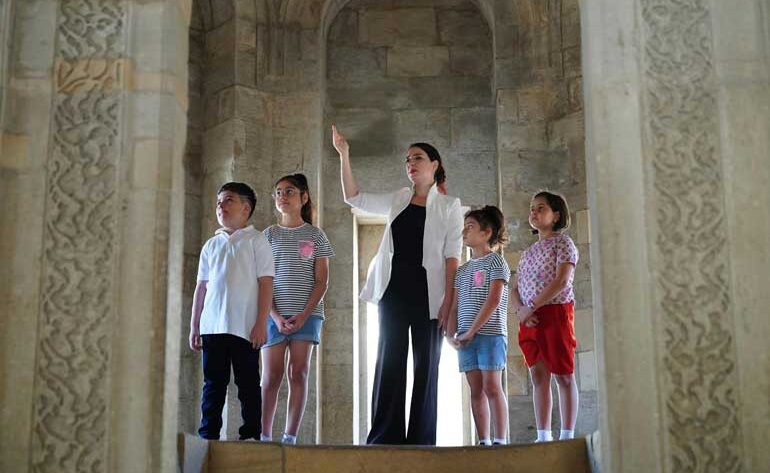
Raising a respectful child is one of the greatest gifts you can give both them and the people around them. Respect forms the foundation of healthy relationships, empathy, and understanding. It helps children navigate the world with kindness while giving them the tools to succeed socially and emotionally. Here are some practical ways to encourage respect in everyday life, inspired by the teachings of this prep school in Chelmsford.
This is a collaborative post.
Lead by Example
Children learn best through observation. If they see you treating others with kindness, listening carefully, and using polite language, they are more likely to copy that behaviour. Demonstrating respect in your own actions—whether towards family members, friends, or even strangers—sets a powerful standard. Remember, children are always watching, so small things like saying “please” and “thank you” can have a big impact.
Teach Empathy
Respect begins with understanding other people’s feelings. Encourage your child to think about how their words or actions might affect others. Simple questions like “How would you feel if that happened to you?” can help them step into someone else’s shoes. Reading books or watching age-appropriate shows that explore different perspectives can also spark meaningful conversations about empathy and respect.
Encourage Good Manners
Manners are a practical way for children to practise respect in daily interactions. Teaching children to greet others politely, wait their turn, and express gratitude not only makes social situations smoother but also fosters consideration for others. Reinforce good manners consistently, and be patient—children may need reminders before it becomes second nature.
Set Clear Boundaries
Children thrive when they know what is expected of them. Setting boundaries around behaviour teaches them that respect applies to rules as well as to people. For example, explain that interrupting while others are speaking is disrespectful, or that shouting is not an acceptable way to express frustration. Enforcing these rules fairly and calmly helps children understand respect as part of everyday life.
Praise Respectful Behaviour
Positive reinforcement is a great motivator. When your child shows respect—whether by sharing, using polite words, or listening carefully—acknowledge it. Praising respectful behaviour encourages them to repeat it and helps them recognise the value of their actions. A simple “I really liked the way you listened to your friend” goes a long way.
Model Respect for Your Child
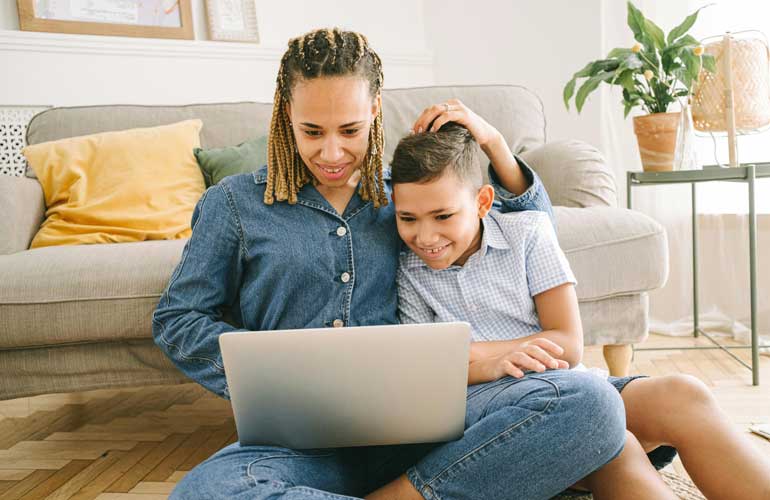
It’s just as important to show respect directly to your child. Listening when they speak, acknowledging their feelings, and involving them in age-appropriate decisions demonstrates that their thoughts matter. When children feel respected, they are more likely to extend the same courtesy to others.
Be Consistent
Consistency is key when teaching respect. Children can become confused if respectful behaviour is only encouraged in certain situations. Apply the same expectations at home, in school, and during social interactions. Over time, this consistency helps children internalise respect as part of their character rather than just a set of rules.
Raising a respectful child doesn’t happen overnight—it’s an ongoing process that requires patience, guidance, and role modelling. By teaching empathy, setting boundaries, reinforcing good manners, and leading by example, you help your child grow into a thoughtful and considerate person. Respect not only benefits your child’s future but also contributes to a kinder, more understanding community.