

As parents, one of the most rewarding experiences is watching our children grow, develop, and explore the world around them. From the earliest stages of life, play is integral to a child’s development, offering them the opportunity to learn important physical, cognitive, and social skills. While many parents focus on structured activities or educational tools, one of the best ways to foster a child’s growth is through simple, enjoyable play—both indoors and outdoors.
In this article, we will explore some of the essential indoor and outdoor activities that can help to support your child’s development, including the benefits of using play equipment like the balançoire (swing), and the trampoline. These activities not only promote physical growth, but they also nurture emotional resilience, social interaction, and creativity.
This is a collaborative post.
The Importance of Play in Child Development
Before diving into specific activities, it’s important to understand why play is so essential. Experts in child development agree that play is a crucial tool for learning. It allows children to practise and refine a range of skills, from physical coordination to emotional regulation. Through play, children can explore their environment, test boundaries, and build confidence.
In fact, the United Nations defines play as a basic right for every child, recognising its importance in fostering intellectual, emotional, and physical growth. Whether it’s a quiet activity indoors or an energetic session outdoors, play allows children to explore, learn, and grow in a fun and interactive way.
Outdoor Play: Encouraging Physical and Emotional Growth
Outdoor play is particularly beneficial because it allows children to interact with the natural world. Whether in the garden, at the park, or in a nearby green space, outdoor activities often provide children with the opportunity to develop their gross motor skills, improve their physical fitness, and gain confidence in their abilities.
1. The Balançoire (Swing)
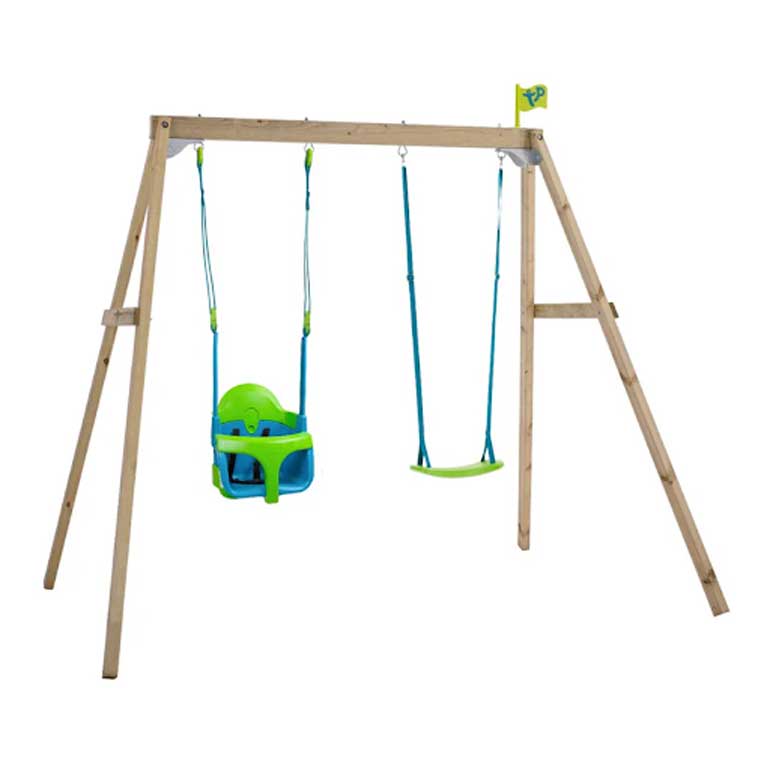
One of the most iconic outdoor play equipment pieces is the balançoire or swing. This simple yet incredibly engaging piece of equipment can be found in most playgrounds and gardens, and it offers numerous developmental benefits.
The rhythmic motion of swinging helps children develop balance, coordination, and strength. As they push themselves higher, they learn how to control their bodies, a vital skill for their physical development. Swinging also encourages a sense of independence as children master the skill of pumping their legs and maintaining momentum. It fosters confidence, too—many children experience a sense of joy and accomplishment as they challenge themselves to swing higher.
Moreover, swinging is not just about physical development. It has emotional benefits as well. The back-and-forth motion can be soothing, providing a calming effect that helps regulate emotions. It can also be a social activity, as children often take turns pushing one another or challenging each other to see who can swing the highest.
2. The Trampoline
Another fantastic outdoor play activity is jumping on a trampoline. While it might seem like just a fun activity, jumping on a trampoline offers a variety of benefits for young children.
First and foremost, it’s an excellent cardiovascular exercise, helping to improve heart health, coordination, and stamina. The act of bouncing on the trampoline also strengthens the muscles in the legs, core, and even the arms as children use their entire body to maintain balance and control while jumping. These physical benefits are vital for developing motor skills and overall fitness.
In addition to physical growth, using a trampoline also helps to improve spatial awareness and body control. As children jump, they learn to gauge distance, timing, and balance—important aspects of cognitive development. The bouncing motion also allows children to engage in imaginative play, pretending to jump to the moon or participating in creative games with siblings or friends. This helps them to develop their social skills, as they learn how to collaborate and communicate with others.
3. Nature-Based Play
In addition to traditional play equipment, incorporating nature-based activities into outdoor play can be incredibly enriching. For example, organising a treasure hunt, building a den from sticks, or observing wildlife in the garden are all great ways to encourage a child’s creativity, curiosity, and problem-solving skills.
Spending time outdoors also fosters an appreciation for the environment and nature, helping to instil values of environmental stewardship from an early age. Whether it’s collecting leaves, watching birds, or playing in the rain, outdoor play can be an incredibly rewarding experience that promotes emotional and physical well-being.
Indoor Play: Fostering Imagination and Cognitive Skills
While outdoor play is crucial for physical development, indoor play also plays a key role in a child’s growth. Indoor play provides a space for quieter, more focused activities that can foster creativity, cognitive skills, and social interactions.
1. Jeux d’Intérieur (Indoor Games)
Jeux d’intérieur, or indoor games, can range from board games to puzzle-solving, building blocks, and creative activities like drawing and painting. These games are perfect for encouraging cognitive development, as they often require problem-solving, strategy, and imagination.
For example, playing with building blocks or Lego helps children develop fine motor skills, hand-eye coordination, and spatial awareness as they build structures and solve problems. Similarly, board games teach children about rules, turn-taking, patience, and cooperation. They also foster social development, as children learn how to engage with others in a structured way.
Indoor games also offer a safe space for children to develop their creativity. Activities like drawing, colouring, and acting out stories with dolls or action figures help children expand their imagination and storytelling abilities. This type of play promotes language development, emotional expression, and problem-solving, as children make up their own scenarios and bring their ideas to life.
2. Building Emotional Resilience
Indoor play can also offer opportunities to build emotional resilience. Activities like role-playing games or dramatic play help children express and manage their emotions. For instance, playing “house” or “shop” allows children to explore different social roles, practice empathy, and understand the perspectives of others. It also enables them to navigate complex emotions such as frustration, joy, and disappointment as they encounter challenges in their imaginary worlds.
Similarly, quiet time with books or puzzles can help children focus their attention and build patience, perseverance, and self-regulation.
Balancing Indoor and Outdoor Play
While both indoor and outdoor play offer unique benefits, it’s important to strike a balance between the two. Outdoor play is fantastic for physical activity and exploring the environment, while indoor play encourages cognitive and emotional development. By offering a mix of both, children can experience the best of both worlds and develop a wide range of skills.
Parents can also vary the activities they provide, incorporating jeux d’intérieur and outdoor play equipment like the balançoire and trampoline to create a well-rounded environment that fosters growth. Additionally, encouraging unstructured play, where children have the freedom to choose their activities, can help them develop independence, problem-solving skills, and creativity.
Conclusion
Play is more than just a way for children to pass the time—it’s a vital part of their development. Whether it’s using the balançoire to swing high in the air, bouncing on a trampoline, or engaging in jeux d’intérieur, each play activity offers unique benefits that contribute to a child’s physical, emotional, and cognitive growth. By providing a combination of indoor and outdoor play opportunities, parents can support their child’s development in a fun and engaging way that will help them thrive both now and in the future.